From Obasanjo to Buhari… how FG’s debt profile surged 658% to N26.9trn in 21 years

FG DEBT CLIMBED 658% TO N26.9 TRILLION IN 21 YEARS

Data from the DMO seen by TheCable showed that federal government borrowings (local and foreign debt) climbed from N3.55 trillion in 1999 to N26.91 trillion at the end of March 2021 (the country’s latest official figure). 

This represents a 658 percent increase in 21 years, comprising the administrations of Olusegun Obasanjo, Umar Musa Yar’Adua, Goodluck Jonathan, and the current Muhammadu Buhari.

HOW MUCH BUHARI BORROWED IN 6 YEARS

The Budget Office’s medium-term expenditure framework and fiscal strategy paper from 2015 showed that the Buhari-led administration incurred N7.63 trillion in domestic debt from June 2015 to December 2020.

On external borrowings, President Buhari increased debt from $7.3 billion in 2015 to $28.57 billion as of December 2020. This means that the president incurred $21.27 billion on foreign loans to the country’s debt portfolio. 

The country’s exchange rate moved from N197 to a dollar in 2015 to N381 at the end of December 2020.

Analysis of consolidated debt showed that the external debt increased by 291.37 percent while domestic debt grew by 86.31 percent in the last six years of the Buhari government.

Overall, the Buhari-led government has had an accumulated debt of N17.06 trillion as of March 2021, using the N381 exchange rate. This represents a 173.2 percent increase from when he was elected president in 2015.

DEBT PROFILE UNDER JONATHAN’S ADMINISTRATION

At the beginning of former President Goodluck Jonathan’s tenure in 2011, the federal government had an accumulated debt of N6.17 trillion. 

Analysis of the debt figure showed that local debt amounted to N5.62 trillion while foreign debt stood at $3.5 billion (about N548.65 billion, using the exchange rate of N156.7/$1).

By the end of 2015, the foreign debt component hit $7.3 billion, while domestic debt increased by N8.4 trillion. The country’s exchange rate also stood at N197/$1. 

Overall, the federal government component of the total public debt increased from N6.17 trillion in 2011 to N9.8 trillion in 2015, representing an increase of N3.63 trillion or 58.8 percent.

YAR’ADUA/JONATHAN’S BORROWINGS

Under the Umar Musa Yar’Adua/Goodluck Jonathan-led government between 2007 and 2011, domestic debt of the federal government moved from N2.17 trillion to N5.62 trillion. The foreign component of the debt also increased from $2.11 billion to $3.5 billion within the period.

The country’s exchange rate also moved from N116.8/$1 to N156.7/$1.

The combined debt profile increased from N2.42 trillion to N6.17 trillion in four years, representing a 155 percent jump.

OLUSEGUN OBASANJO’S TENURE

During the tenure of former president Olusegun Obasanjo, the debt level of the federal government reduced from N3.55 trillion in 1999 to N2.42 trillion at the end of 2007.

The 8-year term of Obasanjo resulted in a dip in FG’s local and foreign debt level, representing a 31.8 percent decline.

The country’s exchange rate was between N98.02 to N116.8 to a dollar during the tenure

BUHARI, NIGERIA’S BIGGEST BORROWER, VIOLATING FINANCIAL LAWS

So far, Buhari is the country’s biggest borrower, increasing public debt (FG component) by more than 173 percent. Next to the Buhari government is the Yar’Adua/Jonathan administration with a 155 percent surge in borrowing.
FG to improve Kaduna Polytechnic accommodation through PPP

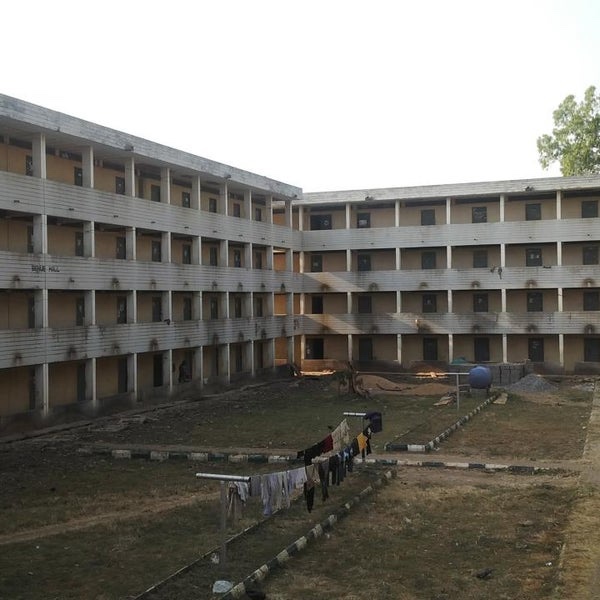
The Federal Government says it is renovating and upgrading existing Kaduna Polytechnic Students’ hostels through Public-Private Partnership (PPP).

He said that the renovation was the first PPP project in the education sector in Nigeria to reach the Full Business Case level.

“We hope to see more PPPs in the education sector with the twin objective of raising infrastructure standards and quality while reducing the burden of financing the sector from the treasury,” he said.

The director-general commended the Rector of the institution and his team for working assiduously to get the project to its current level.

He also appreciated the Ministry of Education for giving its full support toward ensuring the realisation of such a historic project.

Child hawking is never OK. But our culture still permits it

“I’m a hawker, my Mummy is a hawker so I’m a hawker too.  I’m the third of eight children. Of my two older brothers, one hawks and the other one is a driver.”

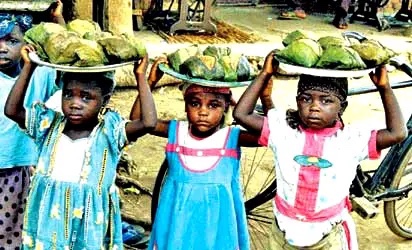
Child hawking is prevalent practice in Nigeria, most major highways and streets are often flooded with emaciated children running after cars on shrunken legs and balancing boxes of pastries and cigarettes twice their size on their bobbleheads. 

The International Labour Organisation estimates that in Nigeria about 14 million children between the ages of 5 and 14 are involved in a form of economic activity. UNICEF estimates in their 2017 annual report around 10.5 million children are not in school, making Nigeria’s uneducated child population amount to one-fifth of the global burden for out-of-school children. But while a loss of education is the most cited side effect of hawking, the dangers aren’t just academic- they’re physical too. 

“I ran after a car once and dropped the things I was carrying and the driver ran over everything, my Mommy beat me that day, we lost so much money, said Ifemelu, a 15-year-old hawker.”

Stories abound where child hawkers who chase moving cars and cluster near traffic girds are knocked down by other vehicles, leading to injuries, bone fracture and amputation, maiming and death. Child hawkers due to long hours of wandering about and lack of time to rest and eat experience physical exertion, malnutrition and premature ageing.

Consumers groan under bread, sachet water price hike

Residents of the Kaduna state and some parts of Niger have been inundated with the new prices of bread and sachet water which began late September and first week of October.
The News Agency of Nigeria (NAN) reports that some of the increases were not unconnected with insecurity, high cost of raw materials and the exchange rate of the Naira to the dollars.
A bag of sachet water which was hitherto sold for N100 is now between N200 and N250, while a piece is sold for N20 as opposed to the N10.
Mr Dasuma Friday, a sachet water producer, narrating the causes of the increase, stated that some of the factors responsible include the high cost of printing leather and electricity.
Others, according to him, are double taxation by the authorities as well as the high cost of purchasing diesel.
Friday stated that if the old price must stay, the manufacturer would run at loss, stressing that the reality of the high cost of raw material necessitated the increase.
The Association of Sachet Water Manufacturer had embarked on strike in a bid to impress it on the public that the business was no longer sustainable unless they accept the price change.
NAN also reports that the prices of bread were also affected y the new price hike.
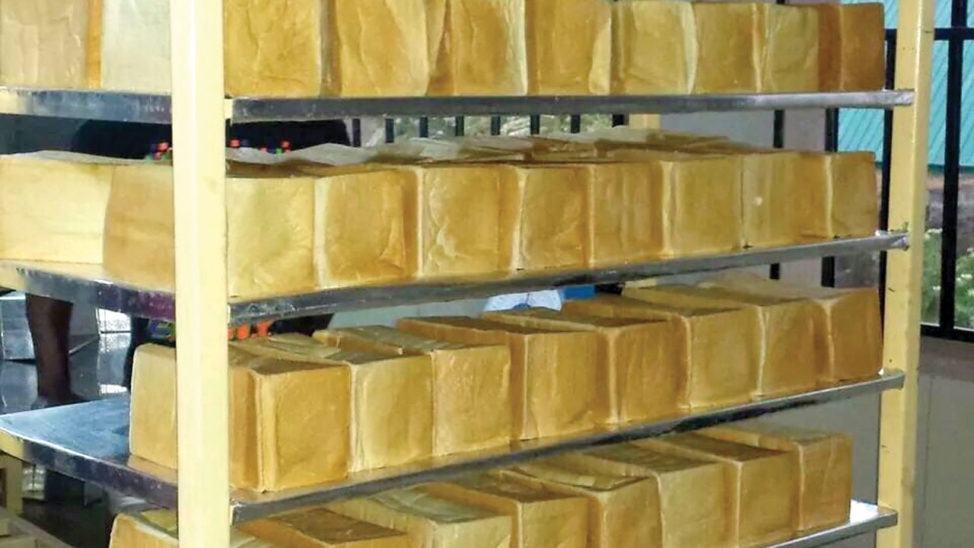
A loaf of bread earlier sold for N500 is now sold for N700 while those selling for N200 now goes for N300.
The Association of Master Bakers and Caterers of Nigeria (AMBCN), Kaduna chapter, explaining the rational for the increase, stated that high cost of raw materials for bread production was responsible.

Design a site like this with WordPress.com
Get started